History of Skull and Bones
An in-depth exploration of America's most exclusive secret society, its origins at Yale University, membership selectivity, and enduring influence on American institutions and leadership.
Skull and Bones stands as one of the world's most exclusive and secretive societies. Discover the founding vision, the selection of elite members, the mysterious rituals and traditions, and the profound influence this organization has exerted on American politics, business, and culture since its establishment in 1832.
Start Learning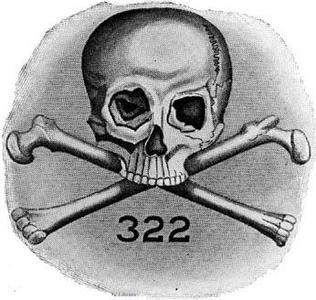
History of Skull and Bones
Skull and Bones has maintained an air of mystery while becoming one of America's most influential institutions and networks.
Origins and Founding
Skull and Bones was founded in 1832 at Yale University by William Huntington Russell and Alphonso Taft (who would later become Attorney General and Chief Justice of the United States). The society was established during a period of significant American expansion and the development of elite educational institutions. Russell and Taft created an organization designed to identify, select, and connect America's most promising young men—those destined to become leaders in government, business, academia, and law.
The organization adopted the name "Skull and Bones" to reflect its mysterious and exclusive nature. The emblem—a skull flanked by crossed bones and a shield bearing the year 1832—became iconic. The society established itself in a building known as "The Tomb," a windowless structure on Yale's campus that serves as their headquarters and gathering place. This striking architectural choice reinforced the organization's secretive identity and became synonymous with its mystique.
From its inception, Skull and Bones was characterized by extreme selectivity. Only fifteen Yale seniors are selected each year—an incredibly small fraction of the student body. This practice of selecting only the elite has been maintained for nearly two centuries, making membership one of the most exclusive honors available to American university students.
Russell and Taft Establish
William Huntington Russell and Alphonso Taft found Skull and Bones at Yale University. The organization establishes its mission to identify and nurture future American leaders in government, business, law, and academia.
Building Traditions
Skull and Bones develops its traditions, rituals, and internal structures. The Tomb is established as the organization's headquarters. The society becomes known for its absolute secrecy and careful selection of members.
Political Prominence
Skull and Bones members begin ascending to prominent positions in American government, intelligence agencies, and major corporations. The society's influence becomes increasingly visible in national affairs and policy-making circles.
Cold War Leadership
During the Cold War era, Skull and Bones members hold key positions in the CIA, State Department, and military leadership. The society's network becomes deeply embedded in American power structures and foreign policy decisions.
Growing Scrutiny
Media interest and public curiosity about Skull and Bones intensifies. Despite maintaining secrecy about internal operations and rituals, the society becomes a subject of widespread discussion, books, and speculation about its influence and membership.
Modern Era
Skull and Bones continues its mission of identifying and developing future leaders. Members hold prominent positions across government, finance, academia, and media. The society adapts while maintaining its core traditions and secrecy.
Membership and Selection
Selection to Skull and Bones is among the most selective honors in American education.
Selection Process
Each spring, exactly fifteen Yale seniors are selected for membership in Skull and Bones. The selection process is famously secretive, with current members reportedly selecting candidates they believe will become influential leaders. Selection is based on academic achievement, leadership potential, character, and perceived future impact rather than family connections or legacy status.
The society's selectivity is extraordinary—at Yale, only about 0.8% of seniors are tapped. This makes Skull and Bones membership significantly more exclusive than admission to most Ivy League universities. The honor is considered among the highest that a Yale undergraduate can receive, and selection is kept confidential until the public "tap" ceremony.
Selection Criteria
- • Leadership Potential: Demonstrated ability to lead and influence others at the university and beyond.
- • Academic Excellence: Strong intellectual achievement and academic record at Yale.
- • Character and Integrity: Ethical standards and personal character reflective of the society's values.
- • Future Impact Potential: Likelihood of achieving significant influence and leadership in major American institutions.
- • Unique Perspective: Diversity of background and viewpoint to strengthen the organization's network.
Influence and Cultural Significance
Skull and Bones members have shaped American institutions and global events for nearly two centuries.
Government and Politics
Multiple U.S. Presidents, including George H. W. Bush and George W. Bush, are Skull and Bones members. The society's alumni have served as cabinet secretaries, senators, and influential policy makers, shaping American governance and foreign policy across multiple administrations and political eras.
Intelligence and Military
Skull and Bones members have held prominent positions in the CIA, NSA, State Department, and Department of Defense. The organization's network has been central to American intelligence operations and strategic decision-making during the Cold War and beyond.
Business and Finance
Alumni of Skull and Bones have founded and led major corporations, investment banks, and financial institutions. The society's network facilitates connections between members across business sectors, creating economic influence and business opportunities.
Academia and Thought Leadership
Skull and Bones members have held positions as professors, university administrators, and intellectual leaders. The society maintains connections with intellectual communities and academic institutions that shape American thought and policy debate.
Media and Communication
Members have served as editors, publishers, and media executives, influencing public discourse and national narrative. The society's influence extends through major news organizations and editorial institutions.
Philanthropy and Institutions
Skull and Bones alumni lead major philanthropic organizations, museums, cultural institutions, and charities. The network supports educational institutions, cultural preservation, and humanitarian causes aligned with member values.
Secretive Traditions
Skull and Bones is known for maintaining absolute secrecy regarding its internal operations, rituals, and traditions. Members take vows of confidentiality about their experiences within the organization. Despite this secrecy, various accounts and investigations have suggested that the society engages in bonding rituals, exclusive gatherings, mentoring relationships, and ceremonial activities that create deep bonds among members.
The society's mystique is intentionally maintained. The Tomb—its headquarters—remains off-limits to outsiders. The rituals, songs, traditions, and internal governance structures remain largely unknown to the public, adding to the organization's legendary status and contributing to its allure among potential members and its fascination for the general public.
Core Values and Legacy
Skull and Bones stands on principles of excellence, leadership, and brotherhood.
Guiding Principles
- • Excellence: Commitment to achieving the highest standards in all endeavors, both within Yale and throughout life.
- • Leadership: Developing and nurturing leaders who will shape institutions and influence American life.
- • Brotherhood: Creating lifelong bonds among members that transcend time and create enduring networks of mutual support.
- • Service: Dedication to using one's influence and position to advance important causes and serve the nation's interests.
- • Discretion: Maintaining confidentiality and protecting the organization's traditions and privacy.
Lasting Legacy
Skull and Bones has maintained its position as one of America's most exclusive and influential organizations for nearly two centuries. The society's legacy extends far beyond Yale's campus—its members sit at the highest levels of American power, shape international relations, lead major institutions, and influence national policy across multiple domains.
The organization represents a unique model of leadership development and elite networking that has proven remarkably enduring. In an age of increased transparency and democratization, Skull and Bones has maintained its secrecy, selectivity, and exclusivity while continuing to attract Yale's brightest and most promising students.
The society's influence on American institutions is impossible to overstate. From the Oval Office to the CIA, from Wall Street to the editorial pages of major newspapers, Skull and Bones members have left an indelible mark on American history and continue to shape the nation's future.
Frequently Asked Questions
Explore common questions about Skull and Bones, its operations, membership, and historical significance.
Comments & Discussion
Have thoughts or questions about this topic? Share your feedback below. All comments are moderated to maintain a respectful community.