Royal Arch
The Highest Chapter Degree in Freemasonry Representing the Apex of Chapter Masonry with Centuries of Tradition
A comprehensive exploration of one of Freemasonry's most important and prestigious degrees.
The Royal Arch degree represents the apex of Chapter Masonry, encompassing a rich history spanning centuries. Discover the origins, development, symbolism, and profound influence of this extraordinary degree on Freemasonry worldwide.
Start Learning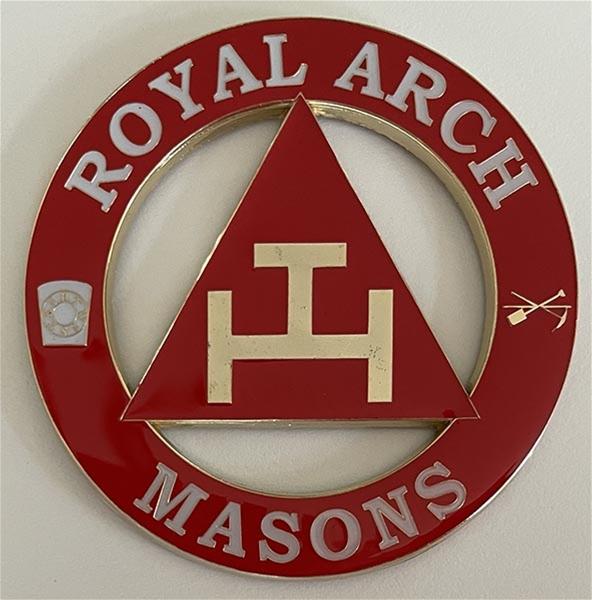
Watch: Royal Arch History and Significance
Explore the profound significance of the Royal Arch degree and its crucial role in Masonic tradition through this informative video.
History of the Royal Arch
The Royal Arch degree has a fascinating history that spans from the early development of speculative Masonry through to its prominent place in modern Freemasonry.
Origins and Early Development
The Royal Arch degree emerged during the 18th century as speculative Masonry developed beyond the three basic degrees. Its exact origins remain a subject of scholarly study, but historical evidence suggests the degree developed in England during the mid-1700s. Unlike the Craft degrees, which derive symbolism from working stonemasons, the Royal Arch draws heavily from biblical and architectural symbolism, particularly the ancient Temple of Solomon.
Early references to "Royal Arch" Masonry appear in Masonic documents from the 1740s and 1750s, with more detailed descriptions emerging by the 1760s. The degree gradually gained formal recognition as an advanced degree within the Masonic order, eventually becoming organized into the Chapter system by which it is governed today. The establishment of the Grand Chapter, the governing body for Royal Arch Masons, helped standardize the degree across jurisdictions.
The Royal Arch degree represents a natural progression beyond the Craft degrees, offering deeper esoteric knowledge and more complex symbolism. It became recognized as the completion of what is termed "Pure and Ancient Masonry," or the York Rite system in North America.
Emergence of Royal Arch
First documented references to "Royal Arch" Masonry appear in historical records. The degree begins to take form as an advanced level of Masonic knowledge beyond the three basic degrees of the Craft.
Ritual Development
The Royal Arch ritual becomes more standardized and detailed. Documents from this period provide comprehensive descriptions of the degree, its symbols, and its teachings. The degree gains wider recognition across lodges and Masonic jurisdictions.
Establishment of Chapters
Formal Chapter systems develop worldwide to govern and administer the Royal Arch degree. Grand Chapters are established as the supreme governing bodies. The York Rite system becomes firmly established in North America.
Continued Development
The Royal Arch continues to evolve while maintaining traditional practices. Membership grows as more Masons seek to advance their knowledge and commitment to Freemasonry. Chapters become vital community centers for advanced Masons.
Modern Relevance
The Royal Arch degree maintains its prestige and relevance in contemporary Freemasonry. Chapters continue to attract dedicated Masons seeking deeper understanding of Masonic philosophy and principles.
Structure and Organization
The Royal Arch operates through a well-organized system of Chapters and Grand Chapters that govern and administer the degree across jurisdictions.
Chapter Structure
Local Chapters
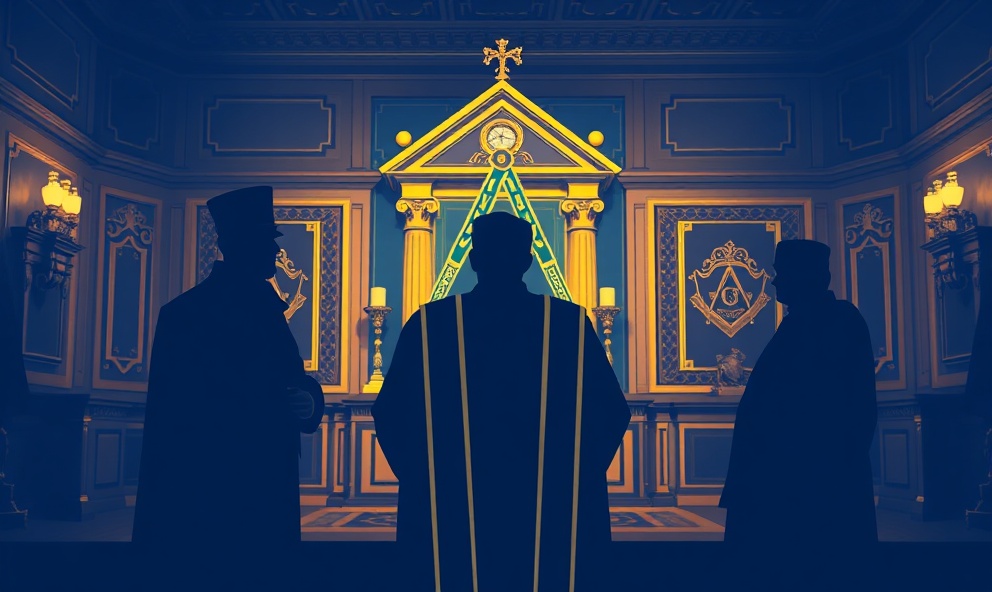
Local Chapters serve as the foundation of Royal Arch organization. Each Chapter is governed by a High Priest, King, and Scribe, with elected and appointed officers responsible for specific functions. Chapters meet regularly to confer degrees and conduct Chapter business.
Grand Chapters
Grand Chapters are the supreme governing bodies for each state or jurisdiction. They maintain standards for ritual work, charter new Chapters, and coordinate charitable and educational initiatives across all local Chapters within their jurisdiction.
Degrees of the Royal Arch
The Mark Master Mason Degree
Often considered the foundation of Chapter Masonry, this degree emphasizes individual identity and achievement. Candidates receive their personal mark, symbolizing their unique place in the Masonic order.
The Past Master Degree
This degree explores the responsibilities and wisdom of leadership. It teaches principles of governance and the burdens of authority, preparing candidates for higher degrees.
The Most Excellent Master Degree
This degree relates to the completion and dedication of Solomon's Temple. Candidates learn about the sanctification of great works and the dedication of achievements to noble purposes.
The Royal Arch Degree
The crowning degree of Chapter Masonry, conferring the highest honors and teachings of Chapters. Candidates learn the deepest secrets and principles that define advanced Masonic knowledge.
The Significance of Chapter Masonry
Chapter Masonry and the Royal Arch degree hold special importance within the broader Masonic world, offering unique benefits and teachings.
Advancement of Knowledge
The Royal Arch degree provides deeper exploration of Masonic philosophy and esoteric knowledge. It allows committed Masons to advance their understanding of the symbolic teachings of Freemasonry and connect these teachings to historical and spiritual truths.
Strengthened Fellowship
Participation in Chapter Masonry creates bonds of fellowship among advanced Masons. The shared commitment to learning and the common experience of Chapter work strengthens connections between members and their lodges.
Community Service
Many Chapters engage in significant charitable work within their communities. The Royal Arch degree emphasizes the importance of using Masonic knowledge and resources to benefit society and support those in need.
Leadership Development
Chapter officers develop leadership skills through their roles and responsibilities. The degrees teach principles of governance, ethical conduct, and the wise use of authority in service to the Chapter and community.
The York Rite System
The Royal Arch degree is the crown jewel of the York Rite system, one of the most popular Masonic systems in North America and beyond.
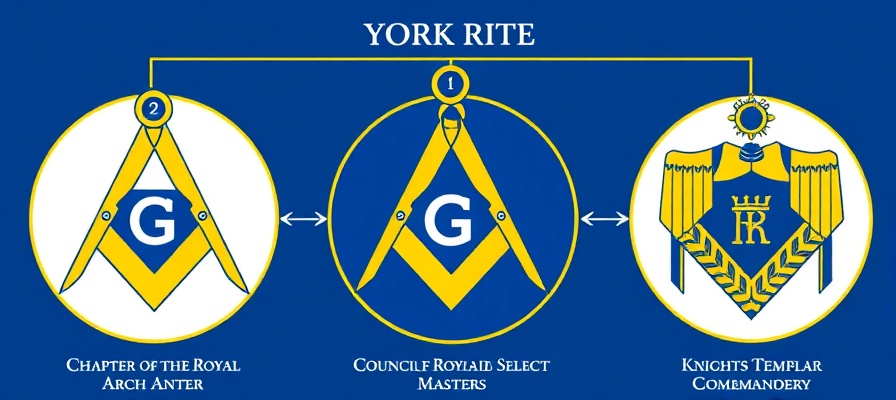

Understanding the York Rite
The York Rite is a collective system of Masonic degrees and orders that extends Masonic knowledge and training far beyond the three degrees of the Craft lodge. Named after the ancient city of York, England, where Masonic traditions are said to date back to the time of Edwin, the York Rite preserves what many consider the most authentic and complete Masonic teachings. The system encompasses three separate but interconnected bodies: the Chapter of the Royal Arch, the Council of Royal and Select Masters, and the Knights Templar.
The Royal Arch represents the first step into the higher degrees of the York Rite. Upon completion of the Royal Arch degree, Masons have the option to pursue further advancement through the Council degrees (Royal Master and Select Master) and the Knights Templar orders. Each body builds upon the previous, creating a comprehensive system of esoteric and philosophical knowledge.
The York Rite differs from other Masonic systems in its organization and emphasis. While all legitimate Masonic systems maintain the fundamental principles of Freemasonry, the York Rite particularly emphasizes the connections to Anglo-Saxon traditions and the historical continuity of Masonic knowledge from the medieval period through the present day.
The Chapter (Royal Arch)
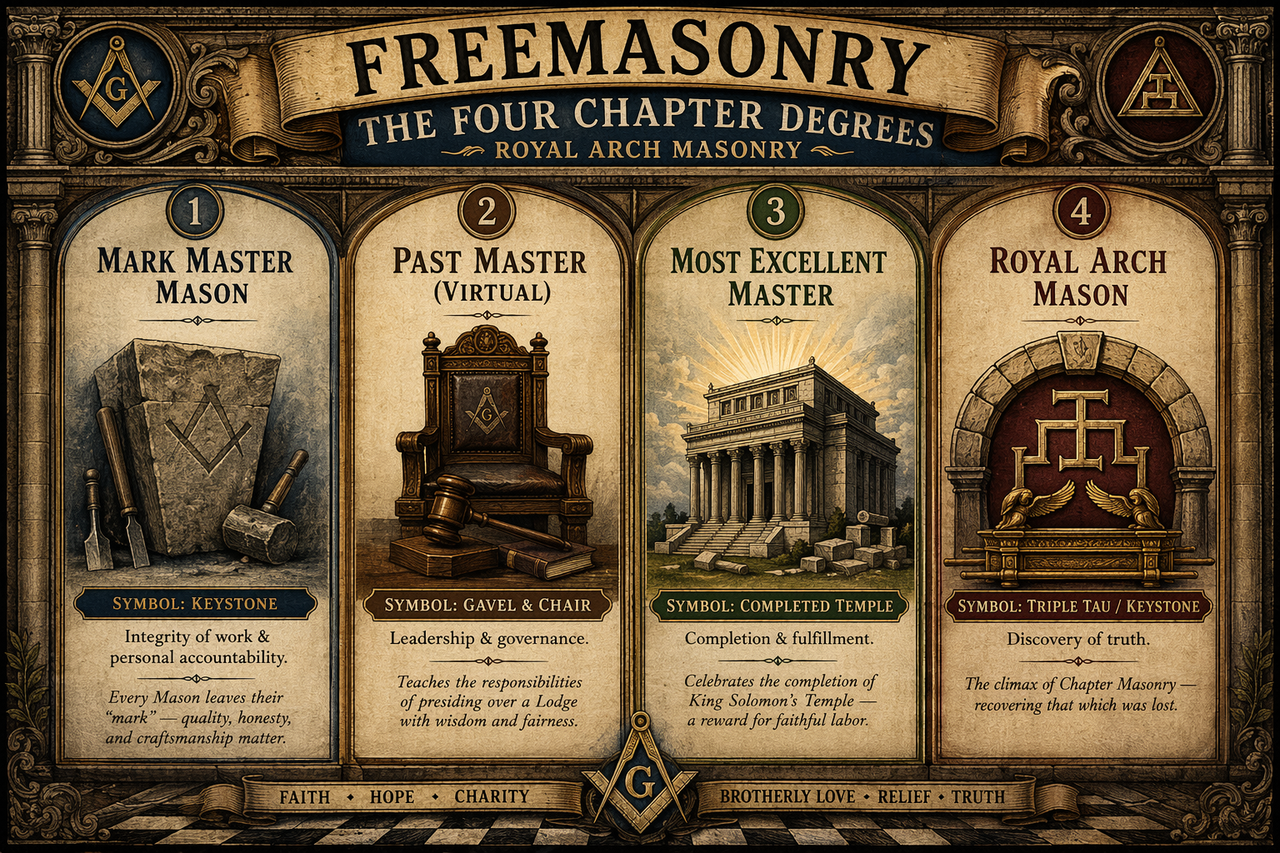
The Royal Arch Chapter confers the four Chapter degrees: Mark Master Mason, Past Master, Most Excellent Master, and Royal Arch. This body focuses on the narrative of the Temple's completion and the recovery of sacred knowledge.
- • Governed by a High Priest, King, and Scribe
- • Emphasizes individual achievement and corporate responsibility
- • Focus on Temple symbolism and biblical narratives
The Council (Cryptic Degrees)
The Council of Royal and Select Masters confers the two Cryptic degrees, which explore the hidden or "cryptic" secrets that preceded the Temple's destruction and provide deeper understanding of Royal Arch teachings.
- • Explores secrets hidden and lost through Temple's destruction
- • Provides complementary perspective to Royal Arch teachings
- • Emphasis on preservation of Masonic knowledge and secrets
The Commandery (Knights Templar)
The Knights Templar orders represent the military and chivalric aspect of Masonry, drawing on the traditions of the medieval Knights Templar while maintaining Masonic principles.
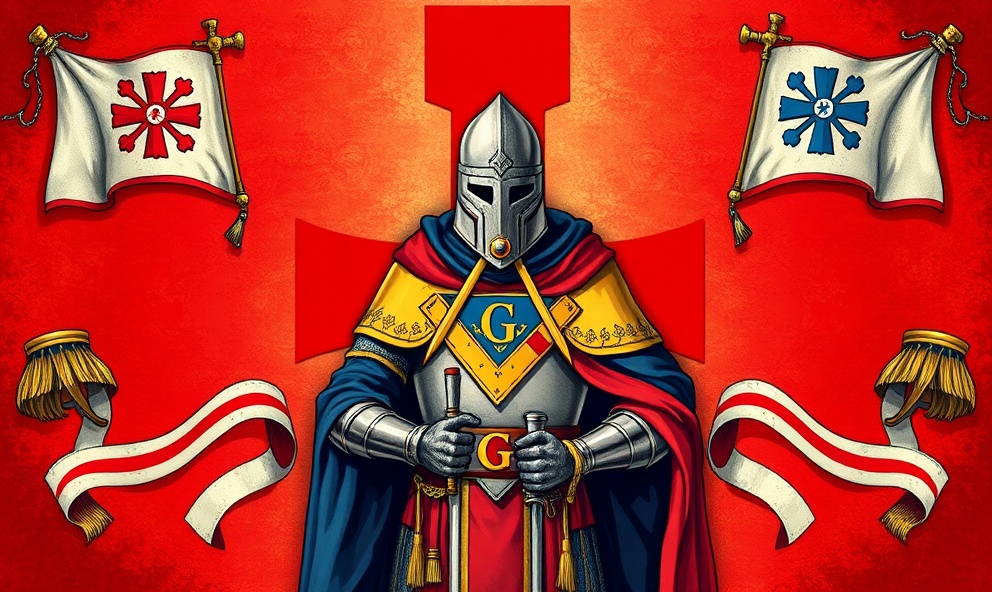
- • Three main degrees: Knight of the Red Cross, Knight of Malta, Knight Templar
- • Emphasizes Christian principles and chivalric values
- • Visual pageantry and ceremonial tradition highly developed
Why Choose the York Rite
Masons pursuing the York Rite find a complete, well-organized path of advancement that complements their lodge experience while providing increasingly sophisticated philosophical and esoteric teachings.
- • Clear progression through multiple degrees and bodies
- • Strong communities of advanced Masons
- • Comprehensive exploration of Masonic knowledge
The Four Chapter Degrees in Detail
Each of the four Chapter degrees conveys unique lessons and prepares candidates for advancement toward the Royal Arch.
The Mark Master Mason Degree
Overview and Historical Origins
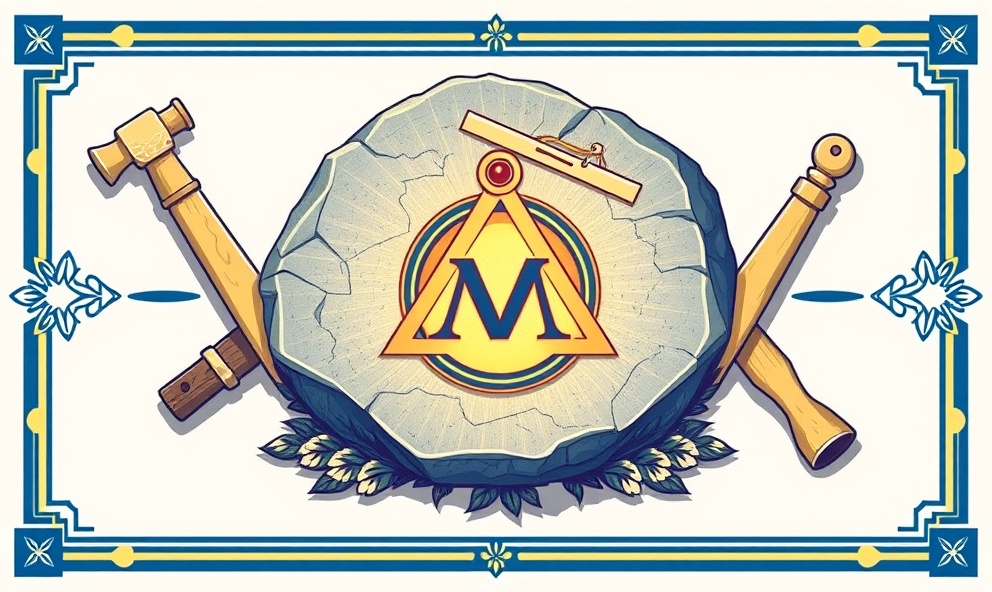
The Mark Master Mason degree is the first degree of Chapter Masonry and represents the foundation of the Chapter system. In operative masonry, every mason had the right to place his personal mark on the stones he finished, serving as both a signature of quality and a means of identifying the craftsman's work. This ancient practice connects the degree directly to the tradition of genuine craftsmanship and accountability. In speculative Masonry, the Mark Master degree preserves this symbolism while teaching profound lessons about individual identity, responsibility, and one's place within the larger Masonic community.
Central Symbolism and Teachings
The central feature of the Mark Master Mason degree is the candidate's personal Mark—a unique symbol or seal created during the degree. This Mark represents the candidate's identity, achievement, and acceptance into Chapter Masonry. The degree teaches that every individual has inherent value and a unique place in society. Just as operative masons took pride in their individual marks, Masons are encouraged to develop and take pride in their personal character and achievements. The symbolism emphasizes that quality work, whether physical or moral, requires attention to detail and personal integrity.
The degree examines biblical narratives of builders and architects, particularly those involved in the construction of Solomon's Temple. Candidates learn about Aholiab and Bezaleel, master craftsmen chosen by divine favor for their skill and integrity. These examples illustrate how individual excellence contributes to great communal works and how each person's gifts can serve higher purposes.
Key Lessons and Principles
- • Individual Identity and Responsibility: Each Mason has a unique role to play. Excellence in that role contributes to the whole.
- • Quality of Work: Whether in the lodge, the chapter, or daily life, the quality of one's work reflects one's character and integrity.
- • Accountability: Just as operative masons were accountable for the quality of stones they marked, Masons are accountable for the quality of their character and contributions.
- • Recognition and Achievement: Personal achievement should be recognized and celebrated as it strengthens the entire community.
Connection to Chapter Masonry
The Mark Master Mason degree serves as the gateway to Chapter Masonry. It introduces the candidate to the philosophical depth and ritual majesty characteristic of the Chapter degrees. The degree establishes the narrative framework that continues through the subsequent degrees, with the Mark Master Mason representing one of the builders of Solomon's Temple and beginning a journey toward higher understanding.
Explore the Mark Master Mason Degree →The Past Master Degree
Overview and Unique Nature
The Past Master degree is unique among Masonic degrees because it is not a Craft degree—candidates are not required to have previously served as Master of a Craft lodge to receive it. Instead, it is a degree of Chapter Masonry that stands apart from the narrative of Temple building. This degree focuses on leadership, governance, and the responsibilities that come with authority. It represents a pause in the Chapter narrative to explore timeless principles of wisdom and leadership that have guided Masonic organizations throughout history.
Central Teachings on Leadership
The Past Master degree teaches that leadership is a sacred trust, not a privilege. Through various historical and biblical examples, the degree illustrates how leaders guide their communities through challenges, how wisdom must temper authority, and how the greatest leaders serve those they lead. The degree explores the burdens of leadership—the difficult decisions that must be made, the loneliness that can accompany authority, and the necessity of maintaining integrity under pressure.
The degree emphasizes that authority flows from the consent of the governed and that leaders are accountable to those they lead. It teaches that true leadership is earned through demonstrated wisdom, integrity, and service to others. The degree also addresses the importance of knowledge in leadership—understanding history, precedent, and principle enables wise decisions that benefit the community.
Key Lessons and Principles
- • Authority and Responsibility: Those who hold authority must exercise it with integrity and for the benefit of all.
- • Wisdom and Knowledge: Effective leadership requires understanding history, tradition, and principle.
- • Sacrifice and Service: True leadership often requires personal sacrifice for the greater good.
- • Accountability: Leaders are accountable both to those they serve and to the principles they represent.
- • Continuity and Tradition: Wise leaders preserve and honor the traditions that have sustained their organizations.
Historical Significance
Pennsylvania has held a particularly prominent place in the history and practice of the Past Master degree. As one of the earliest centers of American Freemasonry, Pennsylvania's Chapters developed rigorous standards for conferring this degree, emphasizing the connection between Masonic leadership and community responsibility. The Grand Chapter of Pennsylvania has long been recognized for preserving authentic Chapter traditions and fostering comprehensive Masonic education. Many Chapter Masons seek advancement in Pennsylvania Chapters specifically for the quality and depth of their Past Master instruction.
Explore the Past Master Degree →The Most Excellent Master Degree
Overview and Narrative Context
The Most Excellent Master degree returns the narrative to the Temple narrative and focuses specifically on the completion and dedication of Solomon's Temple. This degree marks the point at which the Temple itself is finished—all the labor of building is complete, all the craftsmen have done their work, and now the great structure must be dedicated to its sacred purposes. The degree teaches that the completion of great works is not the end of their meaning, but rather the beginning of their true purpose.
Central Symbolism and Teachings
The heart of the Most Excellent Master degree lies in the symbolism of completion and consecration. The degree explores the transformation that occurs when a physical work—no matter how magnificent—is dedicated to sacred and eternal purposes. A building may be structurally complete, but its true significance lies in what it represents and the spiritual purposes it serves. The degree teaches that all worthy endeavors should be undertaken with awareness of their higher spiritual dimensions.
The degree examines the actual dedication of the Temple—the ceremonies, the significance of each element, and the spiritual transformation that occurs as a material structure becomes a sacred space. It explores the connection between the material and spiritual worlds, teaching that physical structures can embody spiritual truths and that proper dedication of our works connects them to eternal purposes.
Key Lessons and Principles
- • Sanctification of Work: Work undertaken with proper intentions and spiritual understanding becomes sanctified and gains eternal significance.
- • Completion and Dedication: The true meaning of great works lies not merely in their completion, but in their dedication to worthy purposes.
- • Material and Spiritual Connection: Physical structures and achievements can express and embody spiritual truths.
- • Integrity and Completion: Maintaining integrity and faith through the completion of important work is essential to its ultimate value.
- • Transition to Higher Understanding: The Most Excellent Master degree bridges individual achievement and the deeper communal discoveries found in the Royal Arch.
Transition to the Royal Arch
The Most Excellent Master degree serves as the final step before the Royal Arch. It teaches the importance of completing what we begin with integrity and faith, and of understanding that our greatest achievements gain meaning when dedicated to worthy and eternal purposes. This preparation is essential for understanding the discoveries that await in the Royal Arch degree.
Explore the Most Excellent Master Degree →The Royal Arch Degree
Overview and Culmination
The Royal Arch degree is the crown jewel of Chapter Masonry and represents the culmination of all that has come before. This is the degree that many Masons consider the true completion of "pure and ancient Masonry." The Royal Arch conveys what is considered the highest and most important teachings of Chapter work. The ceremony, ritual, and teachings are designed to be profound, impressive, and transformative. Many who have received the Royal Arch report it as one of the most meaningful experiences of their Masonic journey.
The Narrative and Central Mystery
The Royal Arch degree is built on a narrative of loss and recovery. During the Babylonian siege and destruction of Solomon's Temple, certain secrets and knowledge were hidden or lost. Centuries later, during the rebuilding of the Temple under the decree of King Cyrus of Persia, these lost secrets are miraculously recovered. The degree teaches that truth and wisdom, though they may appear to be lost or destroyed, can survive the greatest trials and can be recovered by those who are dedicated to seeking them.
This narrative carries profound philosophical significance. It teaches that the principles of Masonry transcend any individual, organization, or era. Truth is not dependent on any single repository but can be recovered wherever sincere seekers gather in fellowship. The recovery of lost knowledge becomes an allegory for the personal spiritual transformation of the candidate as well as humanity's eternal quest for truth and wisdom.
The Triple Tau and Royal Arch Symbolism
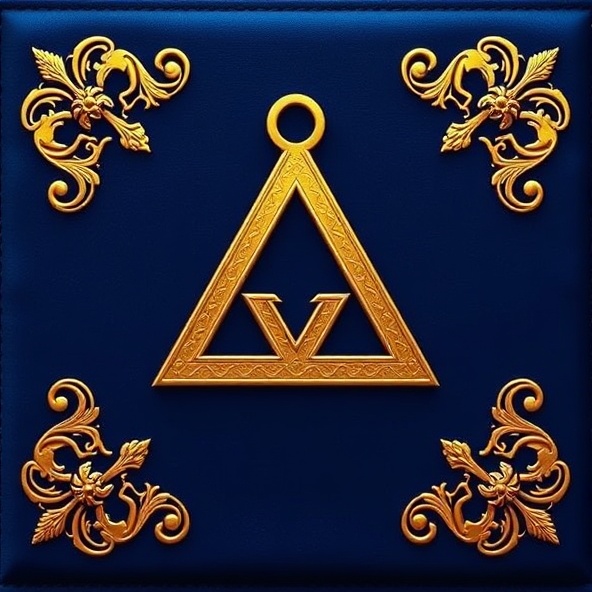
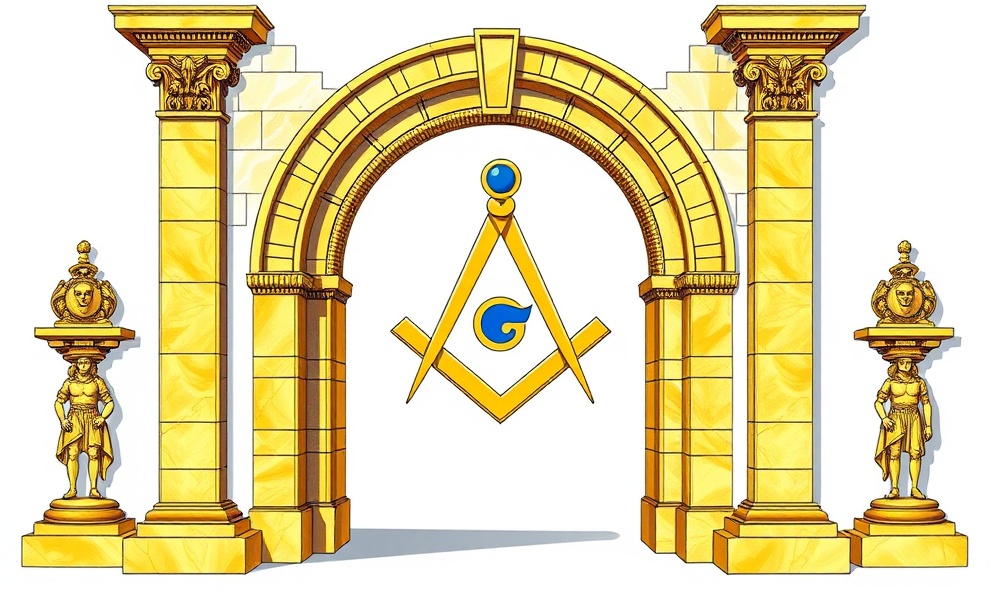
The principal symbol of the Royal Arch is the Triple Tau, a sacred symbol composed of three equal-armed crosses arranged in a triangle or triad. This symbol appears within the arch itself, and its meanings are manifold and profound. The Triple Tau is variously interpreted as representing sacred coverings, divine protection, covenant, or the union of three principles. The arch that contains the symbol represents strength, stability, and the support that holds great works together. Together, the arch and the tau convey that divine wisdom provides the structure and support for truth and that sacred knowledge, properly protected and preserved, endures eternally.
The Exaltation Ceremony and Experience
The Royal Arch ceremony is designed to be dramatic and transformative. Candidates experience the discovery of the lost secrets through carefully choreographed ritual action. The ceremony typically involves the candidate being "exalted" into the degree—a powerful word choice that suggests elevation, enlightenment, and transformation. The combination of carefully structured ritual, meaningful symbolism, and the fellowship of dedicated Masons creates an experience that many describe as profoundly spiritual and memorable.
The exaltation ceremony is typically conducted by three officers who play key roles in the discovery and communication of the secrets. The candidate's journey through the ceremony parallels the journey of the builders discovering the lost vault and the knowledge contained within it. This personal experience of discovery creates a visceral understanding that cannot be conveyed through intellectual knowledge alone.
Key Teachings and Principles
- • Recovery of Lost Knowledge: Truth survives apparent destruction and can be recovered by dedicated seekers. This reflects both historical reality and spiritual truth.
- • Completion of Knowledge: The Royal Arch completes the teachings of the earlier degrees and reveals their deeper meanings. What was partial becomes whole; what was hidden becomes revealed.
- • Divine Blessing and Protection: The secrets and wisdom sought by Masons are divinely blessed and protected. Those who seek truth with proper hearts will find it.
- • Eternal Principles: Truth and wisdom transcend time, culture, and circumstance. They are eternal principles that endure regardless of external changes.
- • Fellowship and Community: The discovery of truth is not a solitary achievement but occurs within the fellowship of dedicated seekers committed to Masonic principles.
- • Personal Transformation: The candidate's journey through the degree mirrors personal spiritual development and enlightenment.
The Royal Arch as Completion
Many Masons describe the Royal Arch as the true completion of their Masonic education, even though higher degrees and orders may be pursued. The degree brings together all the lessons of Chapter Masonry: the individual identity and achievement of the Mark, the leadership and responsibility of the Past Master, and the dedication and sanctification of the Most Excellent Master. The Royal Arch reveals how all these elements contribute to a complete understanding of Masonic principles and personal spiritual development. It is considered the cap or crowning stone of pure and ancient Masonry—the degree that reveals the true purpose and ultimate wisdom toward which all earlier degrees have pointed.
Chapter Officers: Elected and Appointed Leadership
Chapter governance is led by five principal elected officers and eleven appointed officers, each with distinct responsibilities that ensure effective administration and quality degree work.
The Chapter Officer Structure
Each Royal Arch Chapter operates under a structure designed to balance democratic election with specialized expertise. The five principal officers—High Priest, King, Scribe, Treasurer, and Secretary—are elected by the membership and form the core leadership team. These officers are supported by appointed officers who bring specific skills and experience to their roles. This combination of elected and appointed positions ensures that the Chapter has both the leadership mandate of the membership and the specialized expertise needed for smooth operations.
Officers serve terms of one year, with elections typically held at the annual communication or spring stated meeting of the Chapter. This annual renewal of leadership is a fundamental democratic practice within Chapter Masonry, allowing the membership to renew its confidence in the direction and administration of Chapter affairs.
Elected Officers
High Priest
The principal and presiding officer of the Chapter, serving as the chief executive responsible for the overall welfare, operations, and advancement of the Chapter. The High Priest represents the ultimate authority within the Chapter and presides over all stated meetings, special communications, and degree conferrals. This officer is the spiritual and administrative leader of the Chapter, setting the tone for all activities and ensuring that the Chapter maintains high standards of ritual work, Masonic conduct, and fellowship.
The High Priest must be thoroughly versed in all Chapter degrees and capable of conducting rituals with precision and reverence. This officer is responsible for the election and appointment of all other Chapter officers, subject to membership approval where required. The High Priest also represents the Chapter in dealings with the Grand Chapter and other Masonic bodies, serving as the official spokesperson for Chapter interests and concerns.
As the principal officer, the High Priest bears the weight of leadership responsibility, making important decisions about Chapter policy, enforcement of bylaws, and the overall direction of the Chapter. A strong High Priest inspires confidence in the membership, maintains high standards of Masonic conduct, and demonstrates the qualities of wisdom, integrity, and service that characterize great leadership within Freemasonry.
King
The second principal officer of the Chapter who assists the High Priest in all matters and assumes full responsibility for the Chapter's operations in the High Priest's absence. The King serves as the presiding officer of the Chapter's Executive Committee and oversees various administrative functions. This officer provides a crucial second level of leadership, ensuring continuity and stability within the Chapter.
The King must be thoroughly familiar with all Chapter operations, ritual work, and administrative procedures. Like the High Priest, this officer participates in degree conferrals and maintains high standards of Masonic conduct. The King works closely with the High Priest to establish Chapter policies, oversee Chapter committees, and address issues that arise between meetings. This officer's competence and dedication directly support the High Priest's effectiveness.
The relationship between the High Priest and King mirrors the partnership that should exist between senior leaders in any organization—mutual respect, shared commitment to the organization's mission, and complementary leadership styles. The King's role as potential successor to the High Priest position provides continuity of leadership and ensures that experienced, knowledgeable members remain in positions of responsibility.
Scribe
The third principal officer responsible for maintaining accurate records of all Chapter activities, meetings, degrees conferred, and administrative matters. The Scribe serves as the primary administrative officer, preserving the institutional memory of the Chapter and ensuring that all proceedings are properly documented. This position requires meticulous attention to detail, organizational skills, and a commitment to accurate record-keeping.
The Scribe maintains current membership rolls, tracks all degrees conferred with dates and candidate information, records meeting minutes with precision, and preserves official correspondence. This officer also handles communications on behalf of the Chapter, issues official notices of meetings, and maintains the Chapter's historical archives. The Scribe's work is essential to the Chapter's compliance with Grand Chapter regulations and expectations.
The role of Scribe connects to the ancient Masonic tradition of preserving knowledge through careful documentation. By maintaining clear, complete, and accurate records, the Scribe ensures that the Chapter's accomplishments are properly recognized, that membership information remains current and accurate, and that future Chapter members can access the historical context of the Chapter's work and development.
Treasurer
The officer entrusted with the financial stewardship of the Chapter, managing all funds, receipts, and expenditures with integrity and transparency. The Treasurer collects membership dues, processes fees for degree conferrals, pays Chapter expenses, and maintains detailed financial records. This position requires trustworthiness, competence in financial matters, and a commitment to the prudent use of Chapter resources.
The Treasurer must maintain accurate ledgers, reconcile accounts regularly, and ensure that all financial transactions comply with Chapter bylaws and Grand Chapter regulations. This officer prepares financial reports for membership review and provides the High Priest with regular updates on Chapter finances. The Treasurer serves as a guardian of the Chapter's resources, ensuring they are used wisely to advance the Chapter's mission and maintain its facilities.
The trust placed in the Treasurer reflects a fundamental Masonic principle: that material resources, though important for maintaining the Chapter's operations, are secondary to the spiritual and intellectual development of the membership. The Treasurer ensures that financial management never compromises the Chapter's values or accessibility to qualified candidates.
Secretary
The officer who assists the Scribe in administrative duties and handles much of the correspondence and communication of the Chapter. The Secretary maintains contact information for members, schedules meetings and degree conferrals, and manages the Chapter's communication systems. In many Chapters, the Secretary handles day-to-day administrative matters, allowing the Scribe to focus on record preservation and historical documentation.
The Secretary must be organized, detail-oriented, and capable of managing multiple administrative tasks simultaneously. This officer serves as the point of contact for routine Chapter business and is often the first person members contact with questions or concerns. The Secretary's efficiency and responsiveness contribute significantly to the Chapter's smooth operations and member satisfaction.
The role of Secretary is vital to the Chapter's effectiveness, ensuring that all administrative details are handled promptly and accurately so that the High Priest and other officers can focus on strategic leadership and degree work.
Appointed Officers
Captain of the Host
The appointed officer responsible for directing and conducting candidates through the degree ceremonies and guiding them in their Masonic journey through Chapter Masonry. The Captain of the Host serves as a primary guide for candidates, ensuring they understand the significance of each step in their advancement and helping them navigate the ceremonial experiences. This officer must possess thorough knowledge of all Chapter degrees and be capable of precise, graceful direction of others.
The Captain of the Host coordinates closely with the High Priest and other degree team members to ensure that ceremonies are conducted with reverence, accuracy, and meaningful instruction. This officer's professionalism, knowledge, and dedication directly affect the quality of the candidate's experience and their understanding of the degree teachings. The role requires a combination of Masonic knowledge, physical capability, and excellent communication skills.
The Captain of the Host embodies the principle of guidance and mentorship, serving as a trusted associate who ensures candidates receive a meaningful and properly executed experience. This officer's excellence in ritual work and personal warmth contribute significantly to candidates' positive impressions of Chapter Masonry.
Royal Arch Captain
The appointed officer responsible for assisting the Captain of the Host in the preparation and conduct of candidates for the Royal Arch degree. The Royal Arch Captain serves as an instructor and guide, helping candidates approach this most important degree with proper understanding and reverence. This officer must be thoroughly knowledgeable in all aspects of the Royal Arch degree and committed to ensuring candidates receive a meaningful experience.
The Royal Arch Captain coordinates with the degree team to ensure all ceremonial elements are properly prepared and that candidates are adequately instructed before their exaltation. This officer's expertise and dedication directly contribute to the effectiveness of the degree work and the candidate's understanding of the profound mysteries and secrets contained within the Royal Arch degree.
This officer embodies the principle of careful preparation and meaningful instruction in the most important degree of Chapter Masonry. By ensuring that candidates approach the Royal Arch with proper knowledge and reverent attitude, the Royal Arch Captain contributes significantly to the spiritual and intellectual development of Chapter members.
Chaplain
The appointed officer responsible for leading the Chapter in appropriate prayers, reflections, and spiritual observations. The Chaplain opens and closes meetings with suitable invocations, offers blessings during degree work, and provides spiritual guidance to Chapter members. This position requires sincere faith, eloquence, and the ability to articulate Masonic spiritual principles in ways that resonate with the membership.
The Chaplain serves as the spiritual voice of the Chapter, ensuring that all proceedings are conducted with appropriate reverence and that the deeper philosophical and spiritual dimensions of Masonic work are emphasized. This officer may also provide support to members during times of personal difficulty or loss, extending the Chapter's fraternal concern beyond the meeting room.
The Chaplain represents the Masonic commitment to spiritual development and the belief that Masonry operates on principles that transcend the material world. Through appropriate invocations and spiritual reflections, the Chaplain helps members connect the symbolic teachings of the degrees to their own spiritual lives and understanding of truth.
Sentinel
The appointed officer who stands guard at the entrance to the Chapter room, controlling access and ensuring the absolute security of the Chapter's proceedings. The Sentinel is the first line of defense in maintaining the confidential nature of Masonic work, preventing unauthorized individuals from entering and ensuring that the secrecy essential to the degrees is preserved. This officer must be attentive, disciplined, and absolutely committed to protecting the integrity of the Chapter's work.
The Sentinel receives all visitors and candidates before they enter the Chapter room and conducts preliminary screening to verify their qualifications. This officer also manages the outer guard during degree conferrals and maintains the security of the Chapter's facilities. The Sentinel's vigilance ensures that only properly qualified members and candidates participate in Chapter work.
The Sentinel embodies the principle of watchfulness and protection that is central to Chapter Masonry. By standing guard at the threshold, the Sentinel reminds members that the knowledge and experiences shared within are sacred and must be guarded with appropriate care. This position, though sometimes viewed as subordinate, is fundamental to the Chapter's preservation of truth and the maintenance of proper order.
Tyler
The appointed officer responsible for the outer security of the Chapter premises and the protection of the Chapter chamber from intrusion and disturbance. The Tyler stands outside the Chapter room as the outer guardian, working in concert with the Sentinel to ensure that all proceedings are protected from unauthorized interference. This officer maintains absolute watchfulness and alerts Chapter officers to any external disturbances or security concerns.
The Tyler is also responsible for the care and maintenance of the Chapter's physical facilities, ensuring that the room is properly prepared for meetings and degree work. This officer may also assist with ushering members, managing physical security, and performing other duties related to the protection of Chapter property and proceedings. The Tyler's vigilance and attention to detail contribute significantly to the Chapter's sense of security and proper order.
The office of Tyler carries ancient significance in Freemasonry, representing the guardian who stands at the threshold protecting the inner mysteries. In Chapter Masonry, the Tyler continues this important tradition, ensuring that the sacred work within the Chapter room proceeds undisturbed and that the outer world does not intrude upon Masonic deliberations and ceremonies.
Junior Master of Ceremonies
The appointed officer who assists the Senior Master of Ceremonies in directing and conducting the ceremonial aspects of Chapter work. The Junior Master of Ceremonies gains experience in ritual direction, learning the intricacies of ceremony while supporting the overall effectiveness of degree conferrals. This officer works closely with the Senior Master to ensure that all ceremonial movements are precise, reverent, and meaningful.
The Junior Master of Ceremonies is often a member developing leadership skills and pursuing deeper knowledge of Chapter ritual work. This position provides excellent training for candidates who may eventually assume the role of Senior Master of Ceremonies or other leadership positions. The officer assists with candidate preparation, coordinates ceremonial details, and ensures that the overall flow of degree work proceeds smoothly.
This officer represents the Masonic principle of progressive development and mentorship. Through service in this position, members gain the knowledge and experience necessary to become skilled ritual leaders while maintaining the high standards of ceremonial excellence that characterize effective Chapter work.
Senior Master of Ceremonies
The appointed officer responsible for directing and managing the ceremonial aspects of all Chapter work, ensuring that degrees are conferred with precision, reverence, and meaningful instruction. The Senior Master of Ceremonies oversees all ceremonial detail, from the arrangement of the Chapter room to the coordination of degree teams. This officer works closely with the High Priest and other officers to ensure that ceremonial excellence reflects the importance of the degrees.
The Senior Master of Ceremonies must possess comprehensive knowledge of all Chapter degrees, impeccable ritual proficiency, and the ability to direct others with grace and authority. This officer ensures that every ceremonial element—from the opening of the Chapter through the closing—is conducted with appropriate solemnity and instruction. The Senior Master's expertise directly affects the quality and impact of candidates' experiences and the overall effectiveness of Chapter degree work.
This position is fundamental to the Chapter's mission of providing meaningful Masonic education through ritual work. The Senior Master of Ceremonies embodies the principle of excellence in service, ensuring that every candidate receives an experience worthy of the profound teachings of Chapter Masonry.
Principal Sojourner
The appointed officer who assists in guiding candidates through their Masonic journey and serves as an instructor in the mysteries and symbolism of Chapter Masonry. The Principal Sojourner represents the role of the enlightened teacher, helping candidates understand the profound meanings contained within the Royal Arch degrees. This officer must possess comprehensive knowledge of Masonic teachings and the ability to communicate these principles effectively.
The Principal Sojourner works with the degree team to ensure candidates receive thorough instruction in the symbolic and practical aspects of Chapter work. This officer may engage candidates in dialogue, pose meaningful questions, and facilitate their understanding of how the degrees' lessons apply to their Masonic development and personal lives. The role requires both Masonic scholarship and the ability to inspire deeper engagement with the teachings.
The title "Sojourner" reflects the Masonic understanding that all members are seekers on a journey toward greater understanding and enlightenment. By serving in this capacity, the Principal Sojourner embodies the principle that Masonic education is an ongoing process of discovery and growth, where every member has the opportunity to deepen their understanding of the Order's timeless wisdom.
Master of the First Veil
The appointed officer responsible for conducting candidates through the first symbolic veil and its associated guardianship, representing the initial step of progression in Chapter Masonry. The Master of the First Veil serves as a guide through the spiritual and ceremonial transformations represented by this veil, helping candidates understand the opening stages of their Masonic development. This officer must be knowledgeable, articulate, and capable of conveying the deep spiritual significance of the first stage of the journey.
The Master of the First Veil establishes the foundation for the candidate's understanding of the deeper mysteries to come. This officer's clarity, precision, and spiritual insight directly impact the candidate's ability to grasp the allegorical meanings and their willingness to continue their advancement. The role requires both ritual knowledge and the ability to create a meaningful introductory experience.
By guiding candidates through the first veil, this officer initiates them into a deeper understanding of Masonic truth and sets the tone for their continued advancement. The Master of the First Veil represents the principle of careful initiation into knowledge, ensuring that candidates are properly prepared for the revelations that follow.
Master of the Second Veil
The appointed officer responsible for conducting candidates through the second symbolic veil and its associated guardianship, representing the middle stage of progression in Chapter Masonry. The Master of the Second Veil guides candidates through a deeper level of understanding, building upon the foundation laid by the first veil. This officer must possess thorough knowledge of the increasingly subtle symbolism and the ability to help candidates grasp more profound Masonic truths.
The Master of the Second Veil works with candidates who have already begun their journey of enlightenment, helping them understand how the degrees build progressively toward greater knowledge. This officer's skill in explaining the connections between different levels of teaching and their role in the overall Masonic curriculum is essential to the candidate's continued development.
By presiding over the second veil, this officer guides candidates through an intermediate stage where they encounter increasingly profound mysteries and responsibilities. The Master of the Second Veil represents the principle of progressive development, where understanding deepens and commitment strengthens through continued engagement with Masonic teachings.
Master of the Third Veil
The appointed officer responsible for conducting candidates through the third symbolic veil and its associated guardianship, representing the culminating stage of progression in the Royal Arch degrees. The Master of the Third Veil guides candidates to the threshold of the most profound mysteries contained within Chapter Masonry, helping them approach the final revelation with appropriate reverence and understanding. This officer must be exceptionally knowledgeable and spiritually mature.
The Master of the Third Veil works with candidates at the final stage of their advancement, preparing them for the ultimate discovery that lies at the heart of the Royal Arch degree. This officer must convey both the intellectual and spiritual significance of what the candidate is about to experience, ensuring that they are fully prepared to receive the secrets of the degree.
By presiding over the third veil, this officer brings candidates to the apex of their Royal Arch journey, representing the principle of ultimate enlightenment and the fulfillment of the Masonic quest for truth. The Master of the Third Veil embodies the Masonic commitment to spiritual elevation, ensuring that candidates approach the most sacred mysteries with proper preparation and reverent understanding.
The Election Process
The election of Chapter officers typically occurs at the annual communication, usually held in the spring. Members in good standing are entitled to vote on candidates for the five principal elected offices: High Priest, King, Scribe, Treasurer, and Secretary. This democratic process reflects Masonic values of participation and shared responsibility in Chapter governance.
Nominations are typically presented from the floor or through a nomination committee, allowing any qualified member to be considered for office. The election process emphasizes the importance of experience and demonstrated commitment to Chapter work. Candidates often present their vision for the Chapter and articulate their understanding of the duties they seek to fulfill.
Once elected, officers are installed at a special ceremony that recognizes their acceptance of the responsibilities they will undertake. The installation ceremony contains important lessons about the nature of leadership, duty, and service within Chapter Masonry. This ensures that those newly elected understand the sacred nature of their roles and commit themselves to upholding the principles and traditions of Chapter work.
Appointed Positions and Expertise
While the five principal elected officers form the core leadership, appointed positions allow the High Priest to place members with specific knowledge and abilities in roles where they can contribute effectively. These appointments are made with consideration for each member's strengths, experience, and willingness to serve.
The Captain of the Host, for example, must have thorough knowledge of all Chapter degrees and the ability to direct others with precision and authority. The Chaplain should possess spiritual insight and the ability to articulate Masonic principles with eloquence. The Sentinel and Tyler must demonstrate unwavering commitment to security and confidentiality. These specialized roles benefit from the appointment process, which allows for careful consideration of individual qualifications.
Together, the elected and appointed officers form a leadership team dedicated to advancing the educational mission of the Chapter, maintaining the integrity of the degree work, and promoting the fraternal spirit that defines Royal Arch Masonry. Through their combined efforts, Chapters continue to provide meaningful Masonic education and fellowship to their members while maintaining the highest standards of ritual work and conduct.
Royal Arch Masonry Today
Royal Arch Masonry remains vibrant and relevant in the 21st century, attracting committed Masons seeking deeper knowledge and meaningful fellowship.
Growing Membership
Despite common perceptions about declining Masonic membership, many Chapters report stable or growing numbers of candidates seeking the Royal Arch degree. Masons who take the time to complete the Chapter degrees demonstrate their commitment to Masonic education and fellowship, creating dedicated Chapter communities.
Technology and Tradition
While the Royal Arch maintains its traditional rituals and ceremonies, Chapters increasingly use technology for communication, scheduling, and member engagement. Some Chapters have created educational materials and virtual tours to attract potential candidates while preserving the sacred character of the degrees.
Charitable Work and Community Service
Modern Royal Arch Chapters engage in significant charitable work, from supporting Masonic homes and schools to local community service projects. The degree's emphasis on knowledge and truth is balanced by practical charitable action that benefits the broader community.
Inclusivity and Diversity
While traditional Chapters maintain their membership qualifications, some jurisdictions are exploring more inclusive approaches. Co-Masonic and appendant organizations provide Royal Arch experiences for women and men interested in the degree's teachings, ensuring that the wisdom of the Royal Arch remains available to diverse audiences.
The Royal Arch in Modern Masonic Thought
Contemporary Masonic scholars continue to explore the Royal Arch degree's historical origins and symbolic meanings. Academic interest in Freemasonry has grown, leading to publications and research that help both Masons and non-Masons understand the degree's significance within the broader context of Western esoteric and philosophical traditions.
The Royal Arch remains one of Freemasonry's most esteemed honors. In a world of rapid change, many Masons find in the Royal Arch a connection to centuries of tradition, a community of dedicated seekers of truth, and a framework for understanding life's deeper meanings. The degree's emphasis on the recovery of lost wisdom resonates particularly with modern Masons seeking authentic connection and spiritual growth through Masonic fellowship.
Comments & Discussion
Have thoughts or questions about this topic? Share your feedback below. All comments are moderated to maintain a respectful community.