History of the Allied Masonic Degrees
A comprehensive exploration of advanced Masonic orders that complement and extend Freemasonry's teachings.
The Allied Masonic Degrees represent a fascinating collection of advanced Masonic orders and degrees designed to provide additional esoteric knowledge and fraternal experiences. Discover the origins, development, significance, and enduring influence of these distinguished degrees on advanced Masonic practice worldwide.
Start Learning
History of the Allied Masonic Degrees
The Allied Masonic Degrees have a rich history spanning centuries, developing alongside Freemasonry's major systems to provide comprehensive esoteric education and fraternal experience.
Origins and Development
The Allied Masonic Degrees emerged during the 18th and 19th centuries as Freemasonry developed beyond its basic three degrees. As various Masonic systems—including the York Rite and Scottish Rite—expanded their degree offerings, additional complementary degrees were created to provide specialized knowledge and unique fraternal experiences. These degrees, collectively known as Allied Masonic Degrees, served to fulfill specific educational and philosophical purposes that complemented the major Masonic rites.
Unlike the major rites which have clear organizational structures and widely standardized rituals, the Allied Masonic Degrees typically exist as individual orders or closely related groups. Some are affiliated with major rites, while others operate independently but maintain harmony with established Masonic principles. This flexibility allowed Allied Degrees to explore specialized themes and provide alternatives for Masons seeking additional educational experiences or degrees related to specific Masonic interests.
The development of Allied Degrees reflects Freemasonry's fundamental principle of continuous learning and spiritual development. As Masons advanced through the basic degrees and major rites, Allied Degrees offered additional pathways for deepening their understanding of Masonic philosophy, exploring alternative symbolism, and connecting with specialized communities of Masons united by common interests.
Beyond Three Degrees
As speculative Masonry develops, Masons begin creating additional degrees beyond the basic three. The impetus arises from the desire to provide deeper esoteric knowledge and specialized fraternal experiences. Early Allied Degrees emerge as experiments in extending Masonic education.
Structured Systems
Allied Degrees become more formally organized. Some are incorporated into the major rites (York Rite, Scottish Rite), while others develop as independent orders. Rules, rituals, and governing structures emerge to ensure consistency and quality.
International Growth
Allied Degrees spread internationally as Masonic organizations establish governing bodies for these orders. Rituals are documented and standardized. Chapters and councils dedicated to specific Allied Degrees are established worldwide.
Diverse Offerings
The diversity of Allied Degrees becomes clearer. Organizations dedicated to specific Allied Degrees develop specialized focuses. Some emphasize historical research, others focus on esoteric philosophy, while others highlight administrative or ceremonial aspects of advanced Masonry.
Institutional Continuity
Allied Degree organizations work to preserve their traditions while adapting to contemporary circumstances. Documentation and educational materials help ensure that specialized knowledge is maintained and transmitted to new generations of Masons.
Contemporary Practice
Allied Degrees remain relevant for Masons seeking specialized knowledge and experiences. Technology enables better communication among geographically dispersed groups. Interest in Masonic education continues to support these advanced degrees.
Structure and Organization
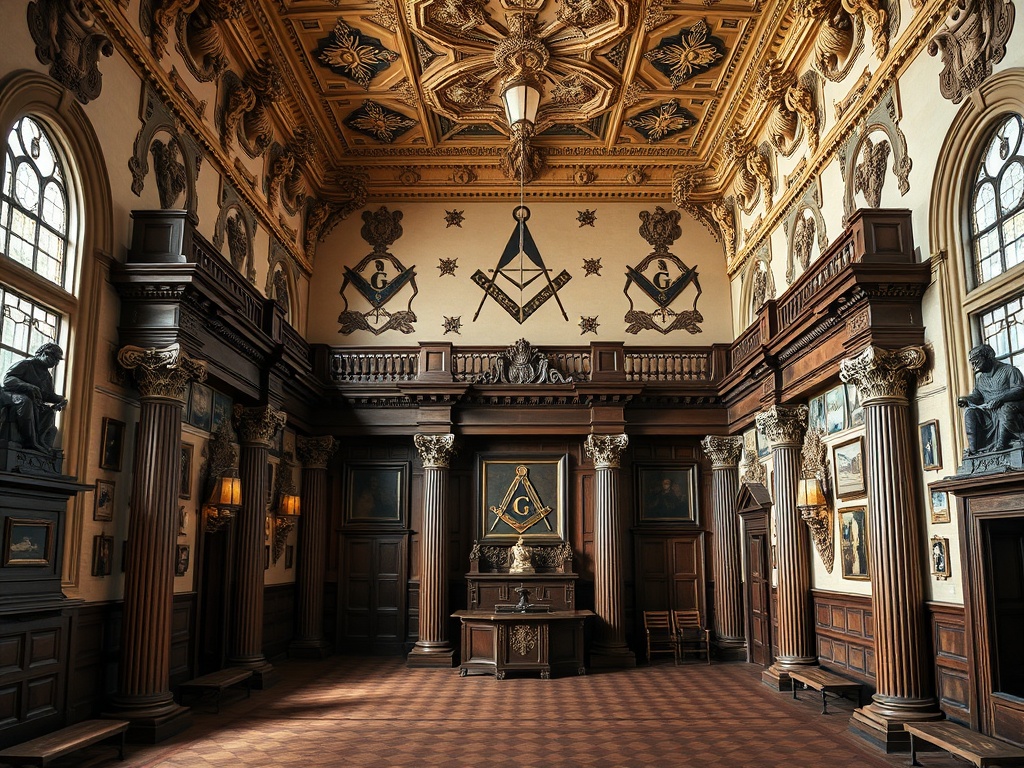
Allied Masonic Degrees operate through various organizational structures, reflecting their diverse origins and purposes.
Types of Allied Degree Organizations
Orders Within Major Rites
Some Allied Degrees are formally incorporated into the York Rite or Scottish Rite systems. These degrees are governed by the same bodies that oversee the major rite and are considered complementary to the primary degrees conferred within those systems.
Independent Masonic Orders
Many Allied Degrees exist as independent Masonic orders with their own governance structures, degrees, and membership requirements. These organizations maintain harmony with recognized Masonic principles while developing their own unique traditions and focuses.
Appendant Organizations
Some Allied Degrees function as appendant or associated organizations connected to specific Masonic jurisdictions or rites. They serve specialized purposes such as youth development, particular philosophical interests, or commemorating historical Masonic traditions.
Research and Academic Bodies
Certain organizations dedicated to Allied Degrees emphasize historical research and scholarly examination of Masonic traditions. These groups focus on understanding the philosophical and historical significance of the degrees they preserve.
Notable Allied Degree Organizations
Knight Masons
Dedicated to preserving and practicing degrees that combine Masonic and knightly traditions, emphasizing chivalry and military virtue alongside Masonic principles.
Order of the Royal Secret
Focuses on esoteric and hermetic traditions within Masonry, exploring deeper philosophical and spiritual aspects of the craft while maintaining Masonic values.
Red Cross of Constantine
An ancient allied degree with Christian traditions, emphasizing historical Masonic connection to knighthood and Christian virtues through specialized degrees and ceremonies.
Order of the Secret Monitor
Dedicated to mutual recognition and fraternal support among Masons, this order emphasizes the practical application of Masonic principles in daily life and relationships.
Operatic and Craftsman Degrees
Focuses on the operative aspects of Freemasonry, connecting the modern craft to the historical traditions of working stonemasons and craftsmen, emphasizing practical skills and trade knowledge.
Social and Banqueting Orders
Organized to emphasize the social and fraternal aspects of Masonry, these degrees and orders focus on fellowship, hospitality, and the building of strong community bonds among members.
The Significance of Allied Masonic Degrees
Allied Masonic Degrees serve important functions within the broader Masonic world, offering unique benefits and specialized knowledge.
Specialized Knowledge
Allied Degrees provide opportunities for Masons to explore specialized themes and pursue particular interests. Whether focusing on esoteric philosophy, historical traditions, knightly virtues, or practical craftsmanship, these degrees offer pathways for advanced study and understanding.
Community and Fellowship
Allied Degree organizations create communities of Masons united by shared interests. The specialized nature of these groups often fosters close bonds among members who gather regularly to practice their degrees and share fellowship.
Preservation of Masonic Traditions
Many Allied Degrees preserve Masonic traditions that might otherwise be lost. These organizations serve as custodians of historical rituals, ceremonies, and teachings, ensuring that valuable Masonic knowledge remains available to future generations.
Continuous Learning
Allied Degrees embody the Masonic commitment to continuous education and personal development. By providing advanced degrees and specialized study, these organizations encourage Masons to maintain their engagement with Masonic learning throughout their lives.
Allied Degrees and the Major Rites
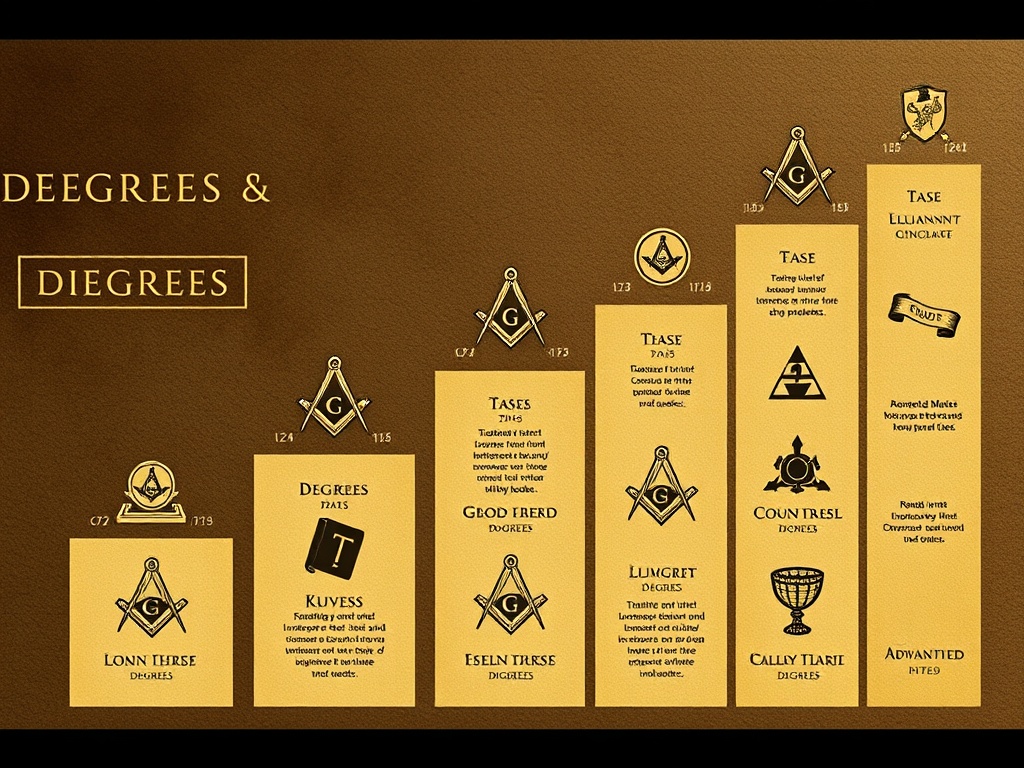
Allied Masonic Degrees complement and enhance the major Masonic systems while maintaining their own distinct identities and purposes.
Integration and Independence
Allied Degrees exist in a complex relationship with the major Masonic rites. Some are formally incorporated into the York Rite or Scottish Rite, forming integral parts of those systems. Others operate independently but maintain strict harmony with Masonic principles and recognize the legitimacy of other Masonic organizations. This balance allows Allied Degrees to develop unique characteristics while remaining part of the larger Masonic fraternity.
Many Masons advance through multiple systems, gaining degrees from the Craft Lodge, then the York Rite or Scottish Rite, and additionally pursuing specific Allied Degrees that interest them. This approach allows Masons to experience the full breadth of Masonic knowledge while pursuing their particular interests and philosophical inclinations.
The existence of Allied Degrees reflects Freemasonry's decentralized structure and emphasis on individual advancement. While all legitimate Masonic bodies adhere to fundamental principles, the flexibility to create and maintain specialized degrees ensures that Masonry remains adaptable and relevant to diverse groups of sincere seekers.
Complementary Knowledge
While the York Rite and Scottish Rite provide comprehensive esoteric education, Allied Degrees often explore specialized aspects in greater depth. An interested Mason might pursue York Rite advancement while also joining an Allied order dedicated to a particular philosophical tradition or historical period.
This multiplicity of pathways allows Masons to tailor their Masonic education to their individual interests and intellectual pursuits, ensuring that the craft remains vibrant and engaging across diverse membership.
Mutual Recognition and Support
Masonic organizations—whether major rites or Allied Degrees—maintain mutual recognition and support. Masons in good standing are welcomed into the communities of other legitimate Masonic organizations, creating a broader fraternity united by shared principles.
This network of mutual support and recognition strengthens the entire Masonic community, ensuring that Masons can pursue their Masonic interests across multiple organizations while maintaining the unity and solidarity that defines Freemasonry.
Allied Masonic Degrees Today
Allied Masonic Degrees continue to attract dedicated Masons seeking specialized knowledge and meaningful fraternal experiences in the 21st century.
Niche Communities
Allied Degree organizations serve specific communities of Masons. These niche groups often develop strong bonds and maintain dedicated focus on their particular degree systems, rituals, and philosophical traditions. The specialized nature ensures quality and commitment among members.
Preservation and Research
Many Allied Degree organizations emphasize historical research and scholarly study. Members work to document rituals, research origins, and ensure accurate transmission of knowledge. Academic interest in Freemasonry supports these preservation efforts.
Digital Communication
Technology enables Allied Degree organizations to maintain connections across geographic distances. Some use online platforms for education, communication, and coordination while preserving the sacred character of degree conferrals which remain primarily in-person.
Inclusive Approaches
While some Allied Degrees maintain traditional membership requirements, others are exploring more inclusive approaches. This evolution ensures that the wisdom of Allied Degrees becomes available to broader audiences while respecting established traditions and qualifications.
The Future of Allied Masonic Degrees
Allied Masonic Degrees face both opportunities and challenges in the contemporary world. As general Masonic membership changes, the specialized organizations that comprise the Allied Degrees must adapt while preserving their essential character and purpose. Many Allied Degree organizations successfully balance tradition with innovation, maintaining authentic practices while exploring new ways to engage interested Masons.
The enduring appeal of Allied Degrees lies in their ability to provide specialized knowledge, create dedicated communities, and preserve important Masonic traditions. As long as Masons seek deeper understanding and meaningful fraternal connection, Allied Degrees will continue to offer pathways for advancing their Masonic journey and contributing to the broader purposes of Freemasonry.
Share Your Thoughts
Have thoughts or comments about the Allied Masonic Degrees? We'd love to hear from you.