Freemasonry Explained
An educational website about Freemasonry.
This website provides clear, neutral information about Freemasonry, its rich history, organizational structure, symbolic traditions, and core principles. Whether you're a researcher, student, or simply curious about this fraternal organization, you'll find well-organized, accessible explanations throughout our site.
Start Learning
History of Freemasonry
Medieval Stonemasons
Freemasonry emerged from the craft guilds of medieval stonemasons in Europe. These organizations developed trade secrets, apprenticeship systems, and early ritual practices that would form the foundation of modern Freemasonry.
Transition to Philosophical Order
As the need for stonemasons declined, the craft evolved. Non-working "speculative" members joined lodges, bringing intellectual and philosophical interests. This marked the transformation into a broader fraternal organization.
Grand Lodge Formation
The establishment of the first Grand Lodge in England in 1717 marked the beginning of organized, modern Freemasonry. This formalized the structure, degrees, and practices that continue today worldwide.
Worldwide Growth
The 19th century saw rapid expansion of Freemasonry across continents. The organization established itself in North America, Latin America, and other regions, becoming a truly international fraternity.
Contemporary Freemasonry
In the modern era, Freemasonry continues as a global fraternal organization. It maintains its traditional values and practices while adapting to contemporary society and addressing modern challenges and opportunities.
Core Concepts
What is Freemasonry?
Freemasonry is a fraternal organization that promotes fellowship, mutual support, and personal development among its members. It combines ritual traditions, philosophical teachings, and community involvement to create a meaningful brotherhood experience.
Lodges
Lodges are the local chapters of Freemasonry where members gather. Each lodge operates autonomously within its jurisdiction but follows universal principles and practices. Lodges host regular meetings, rituals, and social events for their members.
Ritual and Allegory
Rituals and allegorical teachings are central to Freemasonry. These ceremonies use symbolism rooted in stonemasonry to convey lessons about virtue, moral development, and spiritual growth. Each degree has its own symbolic narrative.
Values and Principles
Core Masonic values include brotherly love, relief (charity), and truth. Freemasons are taught to promote virtue, support their community, and pursue personal improvement through education and reflection.
Structure & Degrees
Organizational Structure
Freemasonry is organized hierarchically with three main levels: the individual lodge, the provincial or state grand lodge, and the worldwide fraternal network. This structure allows for both local autonomy and global unity.
Lodges serve as the foundation where members meet and conduct rituals. Each lodge has officers responsible for running meetings and supporting members.
Grand Lodges oversee multiple lodges within their jurisdiction, set standards, and maintain consistency of practice across the fraternity.
International Bodies facilitate communication and cooperation between grand lodges worldwide, promoting universal Masonic principles.
The Three Degrees
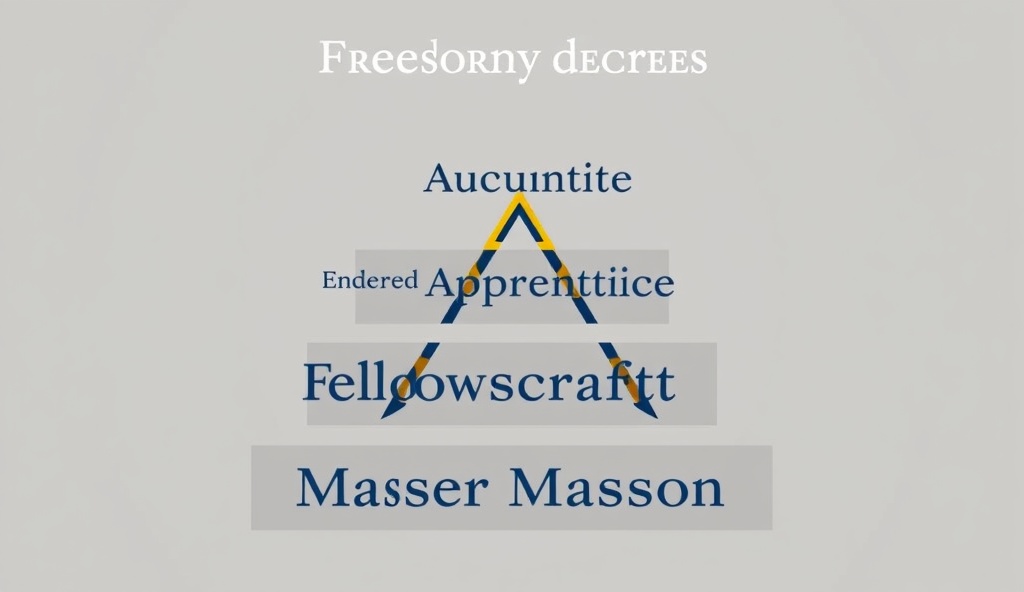
Entered Apprentice
The first degree represents the beginning of a Masonic journey. It emphasizes foundational principles, obedience to law, and the initiate's first steps toward enlightenment and self-improvement.
Fellowcraft
The second degree develops the member's understanding of Masonic principles. It introduces deeper philosophical concepts and encourages continued learning and intellectual development.
Master Mason
The third degree represents completion of the fundamental path. Master Masons can vote in lodge affairs and are recognized as full members of the fraternity with all privileges and responsibilities.
Symbols in Freemasonry
Square and Compass
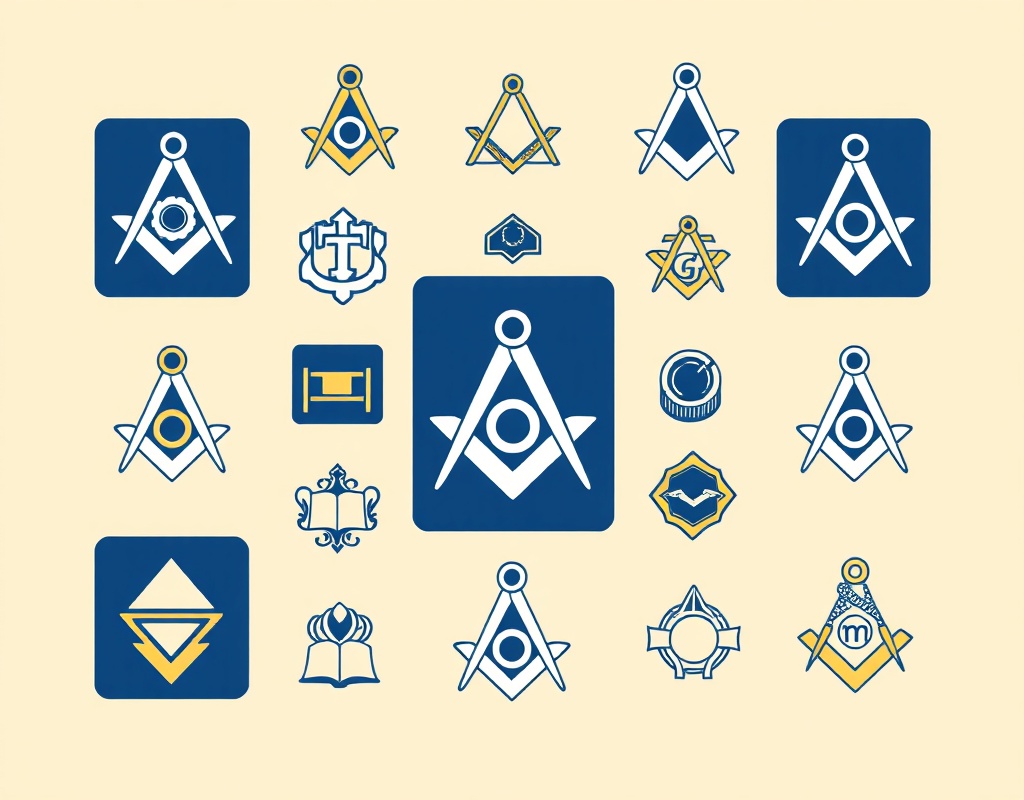
The most recognizable Masonic symbol. The square represents morality and virtue, while the compass represents the need to set boundaries and maintain balance in life. Together they symbolize precision and purpose.
The Letter G
Positioned between the square and compass, the letter G traditionally represents Geometry (the science underlying architecture) or God (the Grand Architect). It symbolizes the divine principle guiding all creation.
The Level
Symbolizes equality among Masons regardless of rank or status. In the craft tradition, it represents the plumb and level used by stonemasons to ensure precision in their work.
The Plumb
Represents straightness and adherence to truth. It symbolizes the moral uprightness and integrity that Masons strive to maintain in their personal and professional lives.
Pillars of Wisdom and Strength
These twin pillars represent the balance needed between knowledge and action. They symbolize the intellectual and practical aspects necessary for building a well-rounded life and society.
The Blazing Star
Represents divine light and illumination. It symbolizes the inner light of knowledge and wisdom that Masons seek through their participation in the fraternity and pursuit of self-improvement.